

You’ve had your dental treatment, the numbness has worn off, and now the tooth feels strange. Maybe it’s sensitive to cold, or it aches when you bite down. Is that normal, or is something wrong?
Some discomfort after a filling or crown is common and usually settles within days or weeks. Other symptoms are warning signs that need a dentist’s attention. At Esthetic Avenue in Al Furjan, Dubai, patients often ask us this exact question, so here is how to tell the difference.
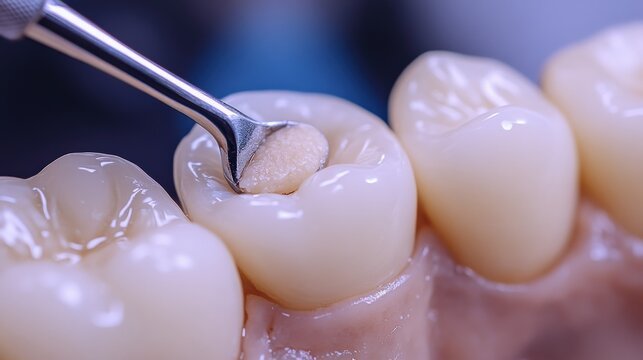
Why Can a Filling or Crown Cause Pain?
Every tooth has a nerve inside it. Getting a filling means removing decay and sometimes drilling close to that nerve. Preparing a tooth for a crown means reshaping it so the crown fits properly. Either way, the nerve can become irritated for a while, even when the treatment has gone perfectly.
What’s Normal After a Filling
These symptoms are generally expected and usually improve on their own:
- Mild sensitivity to hot, cold or sweet foods for a few days to a few weeks
- Slight tenderness in the gum around the treated tooth, from the injection or the clamps used during treatment
- Soreness in the jaw if you kept your mouth open for a long time
- A feeling that the tooth is “different,” because the filling changes its shape slightly
Sensitivity is more likely after deep fillings, where the decay was close to the nerve. Using a toothpaste for sensitive teeth and avoiding very hot or cold drinks for a while can help.
What’s Normal After a Crown
Crowns involve more reshaping of the tooth, so mild discomfort is common:
- Sensitivity to cold or hot in the first couple of weeks
- Gum tenderness around the edge of the crown
- A temporary crown feeling slightly loose or rough, which can happen with temporary crowns
- Mild awareness of the new crown while your bite adjusts
Brush and floss gently around the crown, and avoid sticky or very hard foods, especially while a temporary crown is in place.
What’s Not Normal: Warning Signs
Contact your dentist if you notice any of the following:
1. Pain When Biting or Chewing
If the tooth hurts when you bite down, the filling or crown may be sitting too high. This “high bite” is one of the most common problems, and it’s easily fixed with a quick adjustment. Left alone, it can cause ongoing pain and even damage the tooth.
2. Throbbing or Lingering Pain
Sharp or throbbing pain that lasts for minutes after contact with hot or cold, or pain that keeps you awake at night, can mean the nerve is inflamed or infected. This sometimes needs root canal treatment.
3. Sensitivity That Gets Worse Instead of Better
Mild sensitivity should fade over time. If it increases after the first few weeks, the tooth needs to be checked.
4. Swelling, Pus or a Bad Taste
A swollen gum, a pimple-like bump or a bad taste may indicate an infection or abscess. This needs prompt care.
5. A Filling or Crown That Is Loose, Cracked or Has Fallen Out
When a filling or crown comes out or breaks, the tooth underneath is exposed to bacteria and temperature changes. This is a common cause of sudden sensitivity and pain, as well as decay under the restoration.
6. Pain Under or Around the Crown
Decay can develop under a crown if bacteria creep in at the edges. Pain, a bad smell or a dark line at the gum could signal this.
7. Sharp Pain From a Rough or Chipped Edge
A chipped or uneven filling can irritate your tongue and cheek and trap food.
Common Causes of a Filling or Crown That Keeps Hurting
- High bite: the restoration is slightly too tall
- Irritated or inflamed nerve (pulpitis)
- Cracked tooth beneath the filling or crown
- New decay around the edges
- Leaking or failing restoration
- Gum problems around the tooth
- Teeth grinding (bruxism), which puts extra pressure on restorations
- Referred pain from a neighbouring tooth, which can make it seem like the new filling is the problem
What You Can Do at Home
While you arrange an appointment, these steps can ease discomfort:
- Avoid very hot, cold, hard or sticky foods
- Chew on the opposite side
- Use toothpaste made for sensitive teeth
- Rinse gently with warm salt water
- Keep cleaning the area softly
If you need pain relief, use over-the-counter medication according to the label, and ask a pharmacist if you are pregnant or have other health conditions. If a filling or crown has come out, keep the tooth clean and avoid chewing on that side. If you still have the crown, bring it with you. Home care only eases symptoms. It does not fix the underlying cause.
When to Book an Appointment
See a dentist if:
- Pain lasts longer than 2 to 4 weeks
- Pain is severe, throbbing or wakes you at night
- Biting hurts
- Your gum or face is swollen
- The filling or crown is loose, cracked or missing
Seek urgent care if you have facial swelling with fever, or any swelling that affects your breathing or swallowing.
How We Help at Esthetic Avenue
At our Al Furjan clinic, we begin with a careful examination and, where needed, a dental X-ray to find the cause of your pain. Depending on the diagnosis, treatment may include:
- Bite adjustment to correct a high filling or crown
- Replacing or repairing a failing filling or crown
- Root canal treatment if the nerve is infected
- Treatment of decay under a restoration
- A night guard if grinding is damaging your teeth
- Gum care where inflammation is involved
Our goal is to relieve your pain and protect the tooth so your restoration lasts.
Frequently Asked Questions
How long should a tooth hurt after a filling?
Mild sensitivity can last a few days to a few weeks. If it persists or gets worse, see your dentist.
Why does my crown hurt when I bite?
The most common reason is a crown that is slightly too high. A quick adjustment usually solves it.
Is it normal for a crown to be sensitive to cold?
Yes, for a short time after placement. Lasting or increasing sensitivity should be checked.
Can a filling fall out on its own?
Yes, especially if the filling is old, large or the tooth is decayed or cracked underneath. See your dentist soon to prevent further damage.
Book Your Visit in Al Furjan, Dubai
Don’t put up with a tooth that hurts after treatment. At Esthetic Avenue dental clinic in Al Furjan, Dubai, our team will find out what’s causing your discomfort and fix it. Contact us today to book an appointment.