

Expert Insights from Esthetic Avenue Clinic
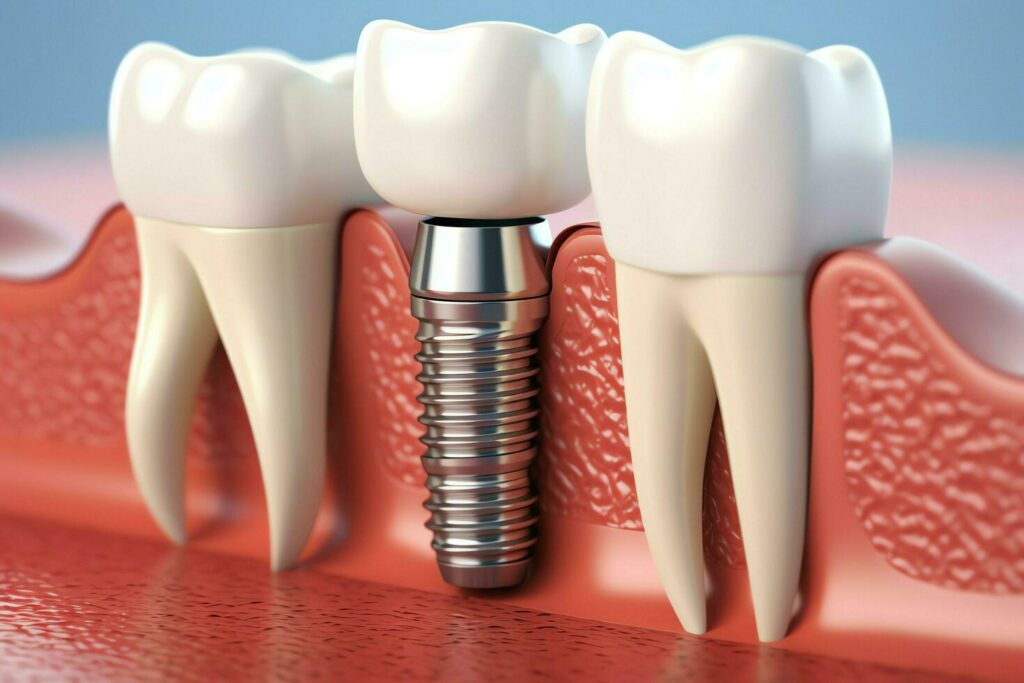
Dental implants are widely regarded as the gold standard for replacing missing teeth. They look natural, feel comfortable, and can last for decades when done correctly. However, like any medical procedure, dental implants can face certain challenges if not planned, placed, or maintained properly.
At Esthetic Avenue Clinic, we believe that informed patients make better decisions. In this blog, we’ll discuss the most common dental implant problems, why they occur, and—most importantly—how you can avoid them to ensure long-term implant success.
Are Dental Implant Problems Common?
Dental implants have a success rate of over 95%, making them one of the most reliable treatments in modern dentistry. Most problems occur due to factors such as poor oral hygiene, underlying health conditions, smoking, or improper treatment planning.
The good news? Most implant complications are preventable with expert care and proper aftercare.
1. Implant Infection (Peri-Implantitis)
The Problem
Peri-implantitis is an infection of the gums and bone surrounding the implant. It can lead to bone loss and, in severe cases, implant failure.
Common Causes
- Poor oral hygiene
- Smoking
- Untreated gum disease
- Delayed dental check-ups
How to Avoid It
- Maintain excellent oral hygiene (brushing, flossing, interdental cleaning)
- Attend regular dental check-ups at Esthetic Avenue Clinic
- Avoid smoking, especially during healing
- Get professional cleanings to remove plaque around implants
Early detection is key—gum inflammation around an implant should never be ignored.
2. Implant Loosening or Failure
The Problem
An implant may feel loose if it fails to integrate properly with the jawbone. This usually happens during the healing phase.
Common Causes
- Poor bone quality or quantity
- Excessive biting force
- Immediate pressure on the implant
- Uncontrolled medical conditions like diabetes
How to Avoid It
- Thorough bone assessment with 3D CBCT scans
- Proper implant placement and load management
- Following post-treatment instructions carefully
- Managing medical conditions under professional supervision
At Esthetic Avenue Clinic, advanced digital planning ensures strong implant stability from day one.
3. Bone Loss Around the Implant
The Problem
Bone loss can compromise the implant’s support, leading to long-term instability.
Common Causes
- Gum disease
- Delayed implant placement after tooth loss
- Poor implant positioning
How to Avoid It
- Timely replacement of missing teeth
- Bone grafting when necessary
- Choosing an experienced implant dentist
- Maintaining healthy gums
Replacing missing teeth early helps preserve jawbone structure and facial aesthetics.
4. Nerve Damage or Tingling Sensation
The Problem
Some patients experience numbness or tingling in the lips, chin, or gums if a nerve is affected during implant placement.
Common Causes
- Inadequate diagnostic imaging
- Incorrect implant positioning
How to Avoid It
- Detailed 3D imaging and nerve mapping
- Precision-guided implant placement
- Choosing a clinic with advanced diagnostic tools
At Esthetic Avenue Clinic, we use digital implant planning to eliminate guesswork and maximize safety.
5. Sinus Issues (Upper Jaw Implants)
The Problem
Implants placed in the upper back jaw may extend into the sinus cavity, causing sinus discomfort or infections.
Common Causes
- Insufficient bone height
- Lack of sinus evaluation
How to Avoid It
- Pre-surgical sinus assessment
- Sinus lift procedures when required
- Expert surgical technique
Proper planning ensures implants integrate safely without affecting sinus health.
6. Gum Recession Around Implants
The Problem
Receding gums around implants can expose metal components and affect aesthetics.
Common Causes
- Thin gum tissue
- Poor implant placement
- Aggressive brushing
How to Avoid It
- Soft tissue evaluation before implant placement
- Gentle oral hygiene practices
- Professional monitoring of gum health
Aesthetic-focused implant placement ensures a natural-looking smile.
7. Poor Aesthetic Results
The Problem
An implant may function well but look unnatural due to improper positioning or crown design.
Common Causes
- Poor treatment planning
- Mismatch in crown color or shape
How to Avoid It
- Digital smile design
- Custom-made crowns
- Implant placement guided by aesthetics and function
At Esthetic Avenue Clinic, aesthetics are never an afterthought—we plan for beauty and function together.
8. Delayed Healing or Pain
The Problem
Some patients experience prolonged discomfort or delayed healing after implant surgery.
Common Causes
- Smoking
- Poor nutrition
- Inadequate aftercare
How to Avoid It
- Follow all post-operative instructions
- Eat a nutritious, soft-food diet
- Avoid smoking and alcohol
- Take prescribed medications on time
Most patients experience minimal discomfort when aftercare is followed properly.
Why Choosing the Right Clinic Matters
Many dental implant problems arise not from the implant itself—but from poor planning or lack of expertise. At Esthetic Avenue Clinic, we minimize risks by offering:
- Experienced implant specialists
- Advanced 3D diagnostic imaging
- High-quality implant systems
- Personalized treatment planning
- Strict sterilization and safety protocols
- Comprehensive aftercare support
How Long Do Dental Implants Last?
With proper care, dental implants can last 15–25 years or even a lifetime. Regular check-ups, good oral hygiene, and healthy lifestyle habits play a crucial role in long-term success.
Final Thoughts
Dental implants are a safe, reliable, and long-lasting solution—but only when done right. Understanding potential implant problems and knowing how to prevent them empowers you to protect your investment and your smile.
At Esthetic Avenue Clinic, our goal is to deliver predictable, comfortable, and long-lasting implant results using modern technology and expert care.
Book Your Dental Implant Consultation at Esthetic Avenue Clinic
If you’re considering dental implants or experiencing concerns with an existing implant, schedule a consultation with our experts today. Let us help you enjoy a healthy, confident smile—without complications.