

Missing teeth can affect more than just your smile—it can impact your confidence, speech, and ability to chew properly. Fortunately, modern dentistry offers several effective solutions to restore both function and aesthetics. The most common options include dental implants, dentures, and dental bridges.
If you’re wondering which option is right for you, this guide will help you understand the differences, benefits, and limitations of each treatment so you can make an informed decision.
Why Fixing Missing Teeth Is Important
Ignoring missing teeth can lead to multiple oral health problems, such as:
- Shifting of adjacent teeth
- Bone loss in the jaw
- Difficulty chewing and speaking
- Changes in facial structure
- Increased risk of gum disease
Replacing missing teeth early helps maintain oral health and prevents long-term complications.
1. Dental Implants: The Permanent Solution
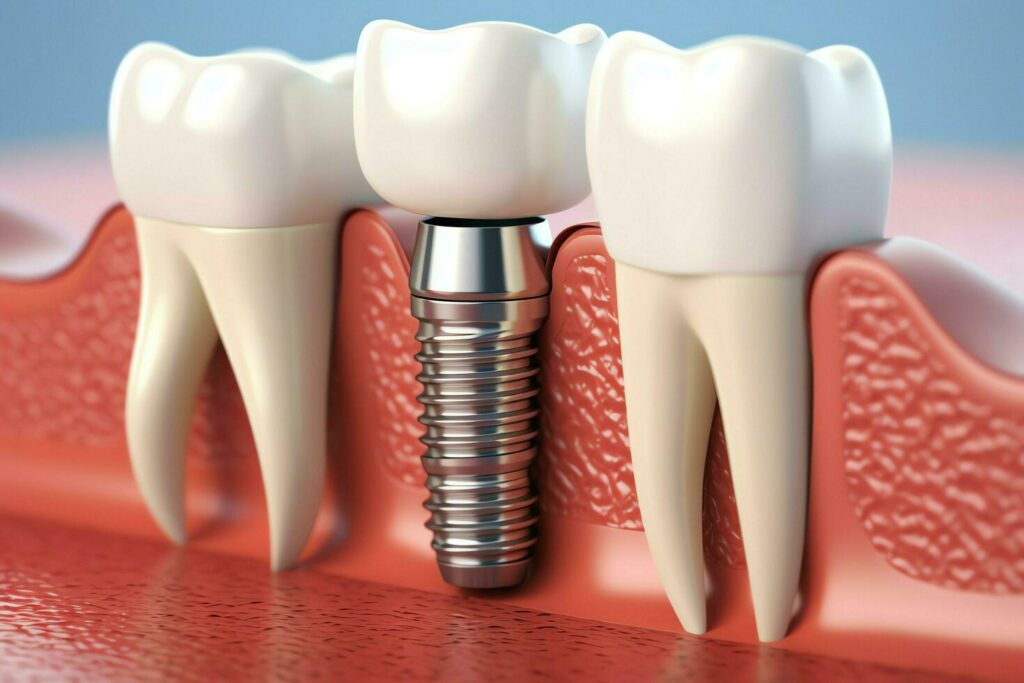
Dental implants are considered the gold standard for replacing missing teeth. They involve placing a titanium post into the jawbone, which acts as an artificial tooth root. A crown is then attached to restore the visible part of the tooth.
Benefits of Dental Implants
- Long-lasting (can last 15–25 years or more)
- Natural look and feel
- Prevents bone loss
- Does not affect adjacent teeth
- Strong and stable for chewing
Limitations
- Higher upfront cost
- Requires minor surgery
- Healing time of a few months
Best For:
- Patients looking for a permanent and durable solution
- Individuals with good bone density and overall oral health
2. Dentures: Affordable and Removable Option
Dentures are removable appliances used to replace multiple missing teeth or a full arch. They can be full (complete dentures) or partial, depending on the number of missing teeth.
Benefits of Dentures
- More affordable than implants
- Non-invasive procedure
- Quick solution for multiple missing teeth
- Suitable for patients with bone loss
Limitations
- May feel uncomfortable initially
- Can slip or move while eating or speaking
- Requires regular maintenance and adjustments
- Shorter lifespan compared to implants
Best For:
- Patients looking for a budget-friendly option
- Elderly individuals or those not suitable for surgery
Dentures are removable appliances used to replace multiple missing teeth or a full arch. They can be full (complete dentures) or partial, depending on the number of missing teeth.
Benefits of Dentures
- More affordable than implants
- Non-invasive procedure
- Quick solution for multiple missing teeth
- Suitable for patients with bone loss
Limitations
- May feel uncomfortable initially
- Can slip or move while eating or speaking
- Requires regular maintenance and adjustments
- Shorter lifespan compared to implants
Best For:
- Patients looking for a budget-friendly option
- Elderly individuals or those not suitable for surgery
3. Dental Bridges: Fixed and Functional Solution
Dental bridges are used to replace one or a few missing teeth by anchoring an artificial tooth between two natural teeth or crowns.
Benefits of Dental Bridges
- Fixed (non-removable)
- Faster than implants
- Restores chewing and aesthetics
- More affordable than implants
Limitations
- Requires reshaping adjacent healthy teeth
- Does not prevent bone loss
- May need replacement after 10–15 years
Best For:
- Patients missing one or two teeth
- Those who want a fixed solution without surgery
Which Option Is Right for You?
Choosing between dental implants, dentures, and bridges depends on several factors:
🦷 Number of Missing Teeth
- Single tooth → Implant or bridge
- Multiple teeth → Dentures or implants
💰 Budget
- Low budget → Dentures
- Medium → Bridges
- Long-term investment → Implants
🏥 Oral Health Condition
- Healthy bone → Implants
- Bone loss → Dentures or bone graft + implants
⏳ Time
- Immediate solution → Dentures or bridges
- Long-term solution → Implants
Why Dental Implants Are Often Preferred
While all three options have their advantages, dental implants stand out because they:
- Mimic natural teeth
- Prevent bone loss
- Offer long-term value
- Provide superior comfort and function
However, the best choice always depends on your individual needs and a professional dental consultation.
Tips for Maintaining Your Dental Restoration
Regardless of the option you choose, proper care is essential:
- Brush twice daily
- Floss regularly
- Avoid hard or sticky foods
- Visit your dentist for regular check-ups
- Follow professional cleaning routines
Good oral hygiene ensures your restoration lasts longer and performs better.
Conclusion
Missing teeth can affect your quality of life, but modern dental solutions make it easy to restore your smile. Whether you choose dental implants, dentures, or bridges, each option offers unique benefits based on your needs, budget, and oral health.
If you’re unsure which treatment is right for you, consult a qualified dentist who can guide you toward the best solution for your smile and long-term dental health.